

Failed MOT on Smoke (Diesel & Petrol)
Why your car failed the MOT on smoke
If your car has just failed its MOT due to exhaust smoke, you are not alone. Smoke issues are one of the most common reasons for MOT emissions failures, especially on older diesel engines and high-mileage petrol cars. The good news is that in many cases, excessive smoke can be reduced or eliminated without jumping straight to expensive mechanical repairs.

What the MOT smoke test actually checks
During the MOT, the tester checks how much smoke and particulates your engine produces under controlled conditions. The limits are designed to make sure your car is not polluting excessively or showing signs of serious engine or fuel system problems. Petrol and diesel engines are tested differently, but the end result is the same: if visible smoke or emissions exceed the allowable threshold, the vehicle fails.
- Petrol engines: Checked mainly for visible smoke under acceleration and overall exhaust cleanliness.
- Diesel engines: Subjected to a specific smoke opacity test under full-load acceleration.
- Any engine type: Persistent smoke of any colour can trigger an immediate fail or advisory.
What different smoke colours mean
The colour of the smoke is one of the fastest ways to narrow down what is going wrong. It can indicate whether the issue is related to fuel, oil, or combustion quality. Understanding this helps you choose the right corrective action before returning for a retest.
Common reasons for smoke-related MOT failures
Not every smoky failure means the engine is “finished”. Many issues are related to dirty fuel systems, poor combustion, or clogged components that can be improved with the right treatment and a proper drive cycle before the retest.
- Short journeys and cold running: Engines that rarely reach full temperature tend to build carbon and soot.
- Dirty injectors or fuel system: Poor spray patterns and deposits lead to incomplete combustion and visible smoke.
- Old or wrong engine oil: Aged or low-quality oil can increase consumption and blue smoke.
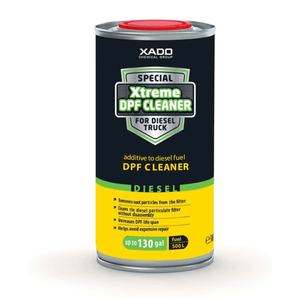
- Clogged DPF or EGR (diesel): Can cause black smoke, limp mode, and failed smoke tests.
- General engine wear: Loss of compression and worn components increase oil burning and emissions.
How to reduce smoke on a diesel before the MOT retest
Diesel engines are especially sensitive to fuel quality, combustion temperature, and carbon build-up. If your diesel has failed the MOT on smoke, there are several practical steps you can take before the retest to reduce emissions and give it the best chance of passing.
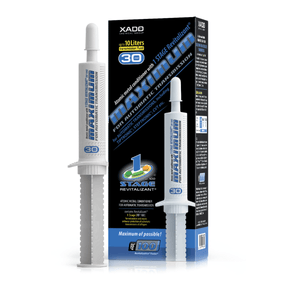
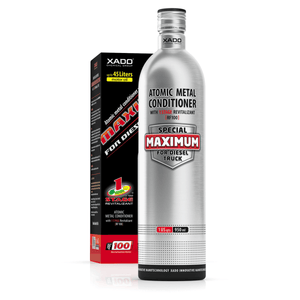
- Treat the fuel system with a high-quality diesel cleaner. Add a concentrated diesel fuel system cleaner to a low tank of fuel to target injectors, combustion chambers, and deposits.
- Check and replace the air filter if it is dirty. A restricted air filter encourages over-fuelling and black smoke.
- Take the car for a sustained, higher-load drive. Once treated, drive at motorway speeds where safe to help clear soot and allow the treatment to work.
- Ensure the engine is fully warm before the MOT. Turning up at the test station with a cold engine increases the chance of visible smoke.
How to reduce smoke on a petrol engine before the MOT retest
Petrol engines failing on smoke are less common than diesels but still frequent on older or poorly maintained vehicles. Excess smoke is often related to fuel system deposits, oil burning, or weak combustion.
- Use a petrol fuel system cleaner. Add a strong cleaner to the tank to help restore proper injector spray and combustion.
- Change the old engine oil and filter. If the oil is overdue, replacing it can reduce oil burn and blue smoke.
- Make sure the ignition system is in good condition. Weak sparks and misfires can lead to unburnt fuel and visible fumes.
- Give the engine a proper run before the test. Avoid taking a cold car straight to the MOT bay.
When smoke may indicate deeper engine problems
While cleaners and treatments can significantly reduce emissions from dirty or lightly worn engines, some symptoms do point towards more serious wear or faults. In these cases, additives may help reduce the impact, but you should view them as part of a broader plan rather than a complete solution.
- Constant thick blue smoke: Often a sign of advanced oil burning from worn piston rings, valve seals, or turbo seals.
- Heavy white smoke with coolant loss: Could indicate head gasket issues or internal coolant leaks.
- Severe black smoke under all conditions: May require injector testing, boost system checks, or DPF/EGR diagnostics.
Using additives and restorers to support an MOT pass
High-quality fuel system cleaners, smoke reducers and engine restorers can help stabilise combustion, reduce soot formation and minimise oil burn in borderline engines. When combined with proper driving and basic maintenance, they can be the difference between another failure and a clean MOT pass.
FAQ
Can fuel additives really help me pass an MOT on smoke?
Additives cannot fix a seriously damaged engine, but they are very effective in engines suffering from carbon build-up, dirty injectors, or mild wear. By improving combustion and cleaning the fuel system, they often reduce smoke enough for a borderline vehicle to meet MOT limits.
How long before the MOT should I add a cleaner?
Ideally, add the treatment to a low tank of fuel at least a few days before the MOT and drive normally, including a decent motorway run. This gives the product time to work through the system and clear deposits before the test.
My car still smokes after treatments – what next?
If heavy smoke continues after using cleaners and ensuring the engine is fully warm, it may indicate mechanical wear or a specific fault, such as a failing turbo, injector, or internal engine issue. In that case, it is sensible to have a professional diagnostic check carried out.
We have an additional article which may also help: Increased oil consumption, smoking (blue smoke from the exhaust pipe) and the engine is smoking
Conclusion
Failing an MOT on smoke is frustrating, but it does not always mean the end of the road for your engine. In many cases, smoke levels can be reduced significantly with the right combination of fuel system cleaning, proper warm-up, and basic maintenance before the retest. For engines on the edge, specialist treatments can offer valuable support and help extend service life while keeping emissions under control.
Shop Diesel Smoke & Emissions Fixes Shop Petrol Smoke & Emissions Fixes