

High HC (Hydrocarbons) MOT Failure
What a high HC MOT failure actually means
If your car has failed its MOT on high hydrocarbons (HC), it means the exhaust contains too much unburnt fuel. Instead of being fully burned during combustion, some of the fuel is passing through the engine and comes out of the tailpipe as HC emissions. This is a clear indication that the engine is not burning fuel efficiently. The MOT limits are in place to prevent excessive pollution and identify potential engine or ignition issues.

What are hydrocarbons (HC) in an MOT test?
Hydrocarbons are one of the key parts of a standard petrol MOT emissions test. They represent the amount of unburnt fuel leaving the engine and are measured in parts per million (ppm). A high HC reading usually means that the fuel is not being ignited properly, the mixture is wrong, or the engine is struggling to maintain clean, stable combustion.
- HC is unburnt fuel: High levels mean fuel is being wasted rather than converted into power.
- Measured in ppm: The MOT checks that readings stay under a set limit for your vehicle type.
- Linked to misfires: Any misfire sends unburnt fuel straight into the exhaust, raising HC.
Typical causes of high HC on a petrol MOT test
Most high HC failures occur on petrol engines, especially if they are older, poorly maintained or mainly used for short journeys. The issue is usually related to poor combustion, incorrect fuelling, ignition problems or general engine wear. Tracking down the cause starts with the basics.
- Ignition problems: Worn spark plugs, damaged ignition leads or weak coils causing misfires.
- Dirty injectors or carburettors: Poor atomisation and uneven fuel delivery leading to unburnt fuel.
- Rich fuel mixture: Too much fuel and not enough air from sensor faults or adjustment drift.
- Low compression: Worn cylinders, piston rings or valves reducing combustion efficiency.
- Cold running and short trips: The engine never fully warming up, promoting incomplete combustion.
Can diesels fail on high HC?
Diesel engines are not normally tested for HC in the same way as petrol engines. Instead, the MOT focuses on smoke opacity and visible particulate emissions. However, modern diesel systems can still suffer from poor combustion, injector problems and incomplete burning of fuel, which can show up as smoke, rough running and higher emissions in general.
- Diesels are mainly smoke-tested: High soot and smoke, rather than HC ppm, cause most failures.
- Shared root causes: Dirty injectors, poor compression and incorrect fuelling increase emissions.
- Additives and proper driving: These can often reduce diesel emissions before a retest.
How to reduce high HC before your MOT retest
If your vehicle has failed on HC, there are several practical steps you can take before the retest to help reduce unburnt fuel in the exhaust. Many of these are straightforward maintenance checks combined with a targeted clean of the fuel and combustion system.
- Use a quality fuel system cleaner. Add a concentrated cleaner to a low tank of fuel to help restore injector or carburettor spray patterns and remove deposits from the combustion chambers.
- Check and replace spark plugs if necessary. Worn or fouled plugs are a common cause of misfires and high HC readings.
- Inspect the air filter. A clogged air filter can enrich the mixture and increase unburnt fuel in the exhaust.
- Make sure the engine is fully warm. Take the car for a decent run at normal road speeds before the MOT so it is at proper operating temperature during the test.
- Fix any obvious misfires. If the engine is clearly misfiring, have the ignition or fuel system checked and repaired before returning for a retest.
Driving style and preparation before the emissions test
How the car is driven in the days leading up to the MOT can have a noticeable impact on HC levels. Vehicles that are only used for short, stop-start trips tend to run rich, build carbon and never fully clear out deposits. A more deliberate warm-up and drive cycle can make a real difference.
- Avoid only short journeys: Combine shorter trips into longer runs where possible before the test.
- Include steady higher-speed driving: A motorway or dual carriageway run helps clear deposits and stabilise combustion.
- Do not arrive with a cold engine: Aim to arrive at the MOT station with the engine already warm, not straight from a cold start.
When high HC suggests deeper engine problems
While many high HC failures are caused by dirty injectors, old spark plugs or poor maintenance, a persistently high reading can indicate more serious engine issues. In those cases, cleaners and simple adjustments may help, but they are unlikely to solve the root cause on their own.
- Low compression: Worn piston rings, cylinders or valves reducing the engine’s ability to burn fuel properly.
- Severe misfires: Ongoing misfires that persist even after new ignition components are fitted.
- Internal engine wear: High mileage engines with significant mechanical wear may need more extensive repair work.
Using treatments to support an HC reduction
High-quality fuel system cleaners and combustion treatments can help restore more complete burning of fuel in engines that are dirty or lightly worn. They are particularly effective when combined with fresh spark plugs, a clean air filter and a proper warm-up drive before the MOT. While they cannot repair serious mechanical faults, they can often help a borderline engine meet the required emissions limits.
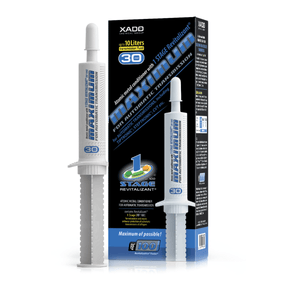
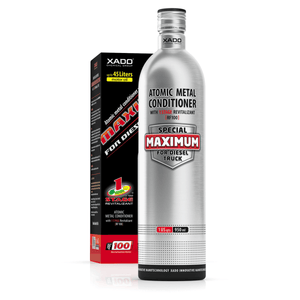
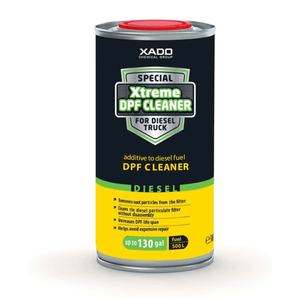
For more targeted cleaning options, you can explore our fuel system cleaners designed to support cleaner combustion and lower emissions.
FAQ
What does high HC mean on my MOT printout?
High HC on your MOT emissions printout means the exhaust gas contains excessive unburnt fuel. This usually points to incomplete combustion caused by issues such as misfires, rich fuelling, dirty injectors, poor ignition, or loss of compression inside the engine.
Is it safe to drive a car that has failed on high HC?
If your previous MOT certificate is still valid and the vehicle has no recorded dangerous defects, you can usually continue driving it while you arrange repairs and a retest. However, you should address the cause of the high HC as soon as possible, as it indicates the engine is not running efficiently or cleanly.
Will a fuel additive alone fix a high HC failure?
A fuel additive on its own cannot fix serious mechanical faults, but it can make a noticeable difference in engines suffering from deposits, dirty injectors or mild wear. For best results, combine a quality cleaner with fresh spark plugs, a clean air filter and a proper warm drive before the MOT retest.
We have an additional article which may also help: Increased oil consumption, smoking (blue smoke from the exhaust pipe) and the engine is smoking
Conclusion
A high HC MOT failure is a clear sign that your engine is not burning fuel as cleanly or efficiently as it should. The cause may be as simple as worn spark plugs and dirty injectors, or it may reflect deeper engine wear or fuelling issues. By combining basic maintenance, a targeted fuel system clean and a proper warm-up drive before the retest, many vehicles can bring HC levels back within the pass threshold without immediately resorting to major repairs.
Shop Petrol Emissions & HC Cleaners Shop Diesel Emissions & Fuel Cleaners