

Antifreeze discoloration
5 Causes of Antifreeze Discoloration: Why Coolant Changes Color and How to Fix It
 Antifreeze protects your engine from overheating and freezing. It typically comes in bright colours like green, red, or blue. If your coolant changes colour, it’s a warning that the cooling system is compromised. Ignoring discoloration can lead to corrosion, overheating, and costly repairs.
5 Causes of Antifreeze Discoloration
- Rust and sediment buildup: Corrosion inside the radiator or engine block releases rust particles, turning coolant brown or muddy.
- Use of plain water: Water lacks anticorrosive additives, leading to rust and scale that discolors antifreeze.
- Low-quality antifreeze: Inferior coolants break down quickly, losing protective properties and changing color.
- Cleaning additives: Some additives flush dirt and deposits, temporarily changing coolant color.
- Engine overheating: Excessive heat oxidizes coolant, causing darkening or burnt smells.
👉 Related issue? See our guide on Engine Smoking.
Visual Example of System Contamination
This above image shows how rust and overheating contaminate the cooling system, leading to visible discoloration of antifreeze. Such changes indicate the fluid has lost its protective properties and the system requires flushing and replacement.
Risks of Ignoring Coolant Discoloration
Discolored antifreeze isn’t just cosmetic. It signals reduced protection and possible damage:
- Cooling efficiency drop: Increased risk of overheating.
- Corrosion risk: Radiator, water pump, and engine block wear.
- Clogged passages: Rust and sediment obstruct flow.
- Breakdowns: Higher chance of costly repairs.
For background on cooling system checks, see the AA’s guide to car cooling systems.
How to Fix Antifreeze Discoloration
The best solution is to flush the cooling system and replace the fluid with high‑quality antifreeze. XADO products are designed to restore protection and prevent future discoloration.
- XADO Antifreeze — Premium coolant with anticorrosive additives to protect against rust and overheating.
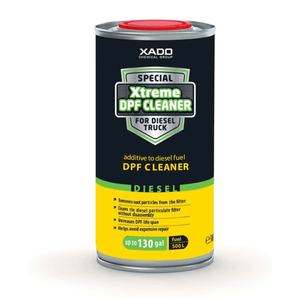
- XADO Flush Additive — Cleans the cooling system before refilling with fresh antifreeze.
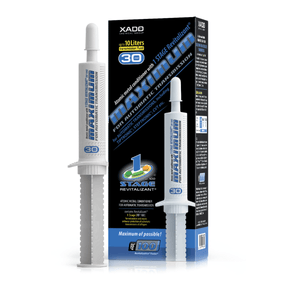
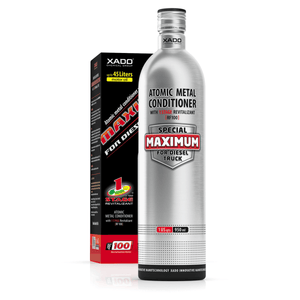
- XADO Atomic Metal Conditioner — Extra protection for engine components under high heat.
Always flush the system before adding new antifreeze. This removes rust, sediment, and old fluid, ensuring maximum protection from the new coolant.
Preventing Future Discolouration
Prevention keeps your coolant clean and effective:
- Routine checks: Inspect coolant colour and level every 5,000 miles.
- Regular service: Flush the system every 30,000 miles or as recommended.
- Quality fluids: Use high‑quality antifreeze with anticorrosive additives.
- Leak inspection: Check hoses, radiator, and water pump.
- Protective treatments: Use XADO additives to extend coolant life.
👉 Explore more solutions in our Problem Solving blog series.
Properties of XADO Antifreeze
- Anti‑corrosion: Prevents rust and scale.
- Stable performance: Maintains color and protection.
- Thermal protection: Guards against overheating and freezing.
- Longevity: Extends cooling system service life.
Application
- Flush: Use XADO Flush Additive to clean the system.
- Refill: Add XADO Antifreeze to the recommended level.
- Monitor: Check colour/level regularly; replace if discoloured.
Note
Signs of proper protection include stable coolant color, reduced risk of overheating, and longer engine life. One treatment lasts tens of thousands of miles.