

Tight wheel
5 Causes of a Tight Steering Wheel
 A tight steering wheel makes driving uncomfortable and unsafe. The most common causes are:
- Worn power steering pump – reduced efficiency makes turning difficult.
- Low or contaminated fluid – insufficient hydraulic pressure leads to stiffness.
- Faulty overload relief valve – loss of mobility prevents smooth operation.
- Loose or worn drive belt – poor tension reduces pump performance.
- Malfunctioning steering rack or gear unit – mechanical faults cause squealing and resistance when turning.
👉 Related issue? See our guide on Noise in Power Steering Booster .
How XADO Solutions Help

- If the system is worn, replace the fluid with the correct XADO hydraulic fluid, then treat with:
- If fluid is low, refill and eliminate leaks.
- If the drive belt is worn or loose, replace or adjust it. Use Verylube Belt Reconditioners to extend belt life.
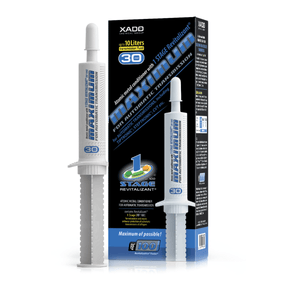
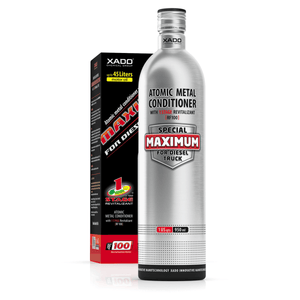
- If the steering rack or mechanism is faulty, replace it. For diesel trucks, treat the system with XADO AMC Maximum Diesel Truck Revitalizant every 30–40,000 miles.
- If air is present in the system, seek professional help to remove leaks and restore pressure.
Revitalizant EX120 for Power Steering Booster prevents wear and restores hydraulic equipment. Its concentrated active agent forms a protective metal‑ceramic coating on worn surfaces, extending service life.
Preventing Future Steering Problems
Regular maintenance and XADO treatments help prevent recurrence of tight steering. 👉 Explore more solutions in our Problem Solving blog series.
Properties
- Eliminates pump wear
- Restores smooth steering
- Improves performance after 30–60 miles
- Reduces noise and vibration in the hydraulic pump
- Prevents further wear
Application
- Add the product (warmed to room temperature) into the reservoir
- Start the engine, wait 2–4 minutes, then turn the steering wheel for 5 minutes
- After ~50 hours of operation, the revitalization cycle is complete. Dissolve in a small amount of used hydraulic fluid before adding. Replace contaminated fluid before treatment.
Note
Signs of revitalization appear after 60–120 miles: reduced steering effort, improved precision, and lower noise.