

5 Smart Ways to Protect Your Engine and Cut Fuel Costs During the 2026 Fuel Crisis
XADO UK Insight Report
The 2026 fuel crisis is reshaping how UK drivers think about running costs. Prices are rising faster than expected, supply chains remain unstable, and many households and businesses are feeling the pressure. According to the latest UK Government weekly fuel price data, petrol and diesel costs continue to rise. But while you can’t control global fuel markets, you can control how efficiently your engine uses every litre.
Independent monitoring from RAC Fuel Watch and the AA Fuel Price Reports also shows consistent upward trends in both petrol and diesel prices, confirming that UK motorists are likely to face continued volatility throughout 2026.
The truth is simple:
An efficient engine costs less to run — especially during a fuel crisis.

Here are five high‑impact maintenance steps that help UK drivers reduce fuel consumption, extend engine life, and stay ahead of rising costs.
1. Restore Compression to Recover Lost Efficiency
During a fuel crisis, every percentage of efficiency matters.
Yet most engines on UK roads have some degree of compression loss — often unnoticed.
Low compression leads to:
- Poor combustion
- Higher fuel consumption
- Reduced power
- Increased emissions
XADO’s revitalisation technology rebuilds worn metal surfaces at the microscopic level, restoring compression and improving combustion efficiency. This is one of the most effective ways to reduce fuel use without changing how you drive.
Typical benefit:
Drivers often see 5–15% fuel savings, depending on engine condition.
2. Reduce Internal Friction to Lower Fuel Consumption
As engines age, friction increases — and friction is expensive during a fuel crisis.
More friction means the engine must burn more fuel just to maintain normal operation.
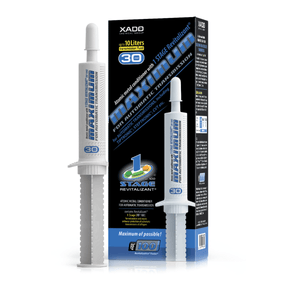
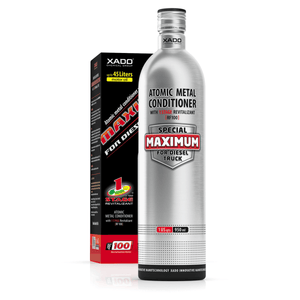
XADO’s 1 Stage Maximum and EX120 Petrol and Diesel treatments create a ceramic‑metal protective layer on friction surfaces, helping the engine run:
- Smoother
- Cooler
- Quieter
- With less drag
Lower friction = less wasted fuel.
3. Keep Fuel Injectors Clean for Better Combustion
Dirty injectors are one of the biggest hidden contributors to poor fuel economy.
Deposits disrupt spray patterns, reduce combustion efficiency, and force the engine to work harder.
XADO's Atomex Petrol Multi Cleaner, Diesel Multi Cleaner and our NEW Advanced RED Cleaner and Decarboniser will remove all of these deposits
Symptoms include:
- Rough idle
- Hesitation
- Loss of power
- Higher emissions
- Increased fuel use
Regular fuel system cleaning restores proper injector performance and ensures the engine extracts maximum energy from every drop of fuel — essential during a fuel‑price surge.
4. Remove Sludge Before Every Oil Change
Sludge buildup restricts oil flow, increases friction, and reduces efficiency.
In a fuel crisis, this is money burned unnecessarily.
Using a pre‑oil‑change cleaner removes:
- Sludge
- Varnish
- Deposits
- Old degraded oil residues
This prepares the engine for fresh oil and ensures the new oil can circulate freely, reducing drag and improving efficiency.
A clean engine is a cheaper engine to run.
5. Use Preventative Treatments to Maintain Efficiency Long‑Term
The 2026 fuel crisis isn’t a short‑term event — and neither should your maintenance strategy be.
Preventative care includes:
- Regular EX120 top‑ups
- Periodic fuel system cleaning
- Consistent oil system maintenance
These small interventions prevent the gradual efficiency losses that silently increase fuel consumption over time.
Prevention is cheaper than repair — especially when fuel prices are high.
Why These Steps Matter in the 2026 Fuel Crisis
With fuel prices rising and economic pressure increasing, UK drivers need practical ways to reduce running costs without sacrificing reliability.
These five steps help you:
- Reduce fuel consumption
- Extend engine life
- Improve reliability
- Lower emissions
- Avoid costly repairs
- Keep older vehicles running efficiently
Smart maintenance is no longer optional — it’s essential.
Final Thoughts
The 2026 fuel crisis is challenging, but drivers are not powerless.
By focusing on engine efficiency, you can protect your wallet, safeguard your vehicle, and stay ahead of rising costs.