

Diesel Engine Losing Power? Causes, Diagnostics & How to Fix It
Practical fixes for sluggish acceleration, poor response, and long-term diesel performance recovery.
If your diesel engine is struggling to get up to motorway speeds, feeling sluggish off the line, or going into "limp mode," you are not alone. Power loss is one of the most common complaints for modern diesel vehicles. Fortunately, it doesn't always mean a costly trip to the garage.
Understanding the root cause is the first step. Here is a breakdown of why your diesel might be losing power, how to diagnose the issue, and professional-grade treatments to restore it.
1. Why Diesel Engines Lose Power
Modern diesel engines rely on highly pressurised fuel delivery, complex emissions systems, and forced induction (turbos) to operate efficiently. When any of these systems becomes contaminated or wears out, performance drops significantly. The most common culprits include:
- Fuel System Contamination: Varnish, soot, and carbon deposits clog fuel injectors, preventing a fine, even fuel spray.
- Low Engine Compression: General wear and tear on cylinder walls and piston rings allows combustion gases to escape (blow-by), robbing the engine of torque.
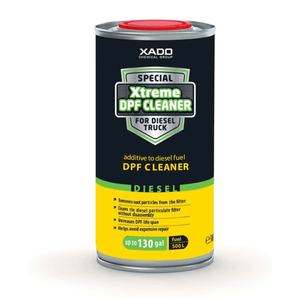
- Carbon Buildup: Soot can cause turbocharger vanes to stick, choke the EGR (Exhaust Gas Recirculation) valve, or severely restrict the DPF (Diesel Particulate Filter).
- Sensor Issues: A dirty Mass Air Flow (MAF) sensor or drifting Manifold Absolute Pressure (MAP) sensor will feed incorrect data to the ECU, reducing fuel delivery.
For an in-depth look at how emissions systems impact performance, the RAC provides excellent guidance on DPF maintenance and operation.
2. Quick Diagnostics You Can Do at Home
Before tearing the engine apart, you can often narrow down the problem with a few quick observations:
-
Check the Exhaust Smoke:
- Black smoke usually points to unburnt fuel (clogged injectors or restricted air).
- Blue smoke indicates burning oil (often worn piston rings or turbo seals).
- White smoke can mean unburnt fuel passing straight through or coolant entering the cylinders.
- Listen to the Engine: Changes in turbo whistle, a rough idle, or a harsh metallic clatter (similar to pinking in petrol engines but indicating diesel injector knock) can highlight where the system is struggling.
- Scan for OBD Codes: A cheap code reader can reveal common power-loss codes like P0401 (EGR Flow Insufficient), P0299 (Turbo Underboost), or P0101 (MAF Range/Performance).
3. Fast Fixes Using Additives & Treatments
If the issue is wear, sludge, or carbon buildup, chemical engineering can often solve the problem without turning a wrench.
- XADO Diesel Multi Cleaner Fuel System Cleaner: Pour directly into the tank to dissolve varnish and carbon buildup. It restores the proper injector spray pattern, immediately improving throttle response and fuel economy.
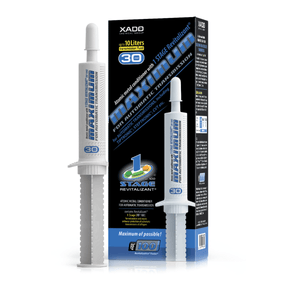
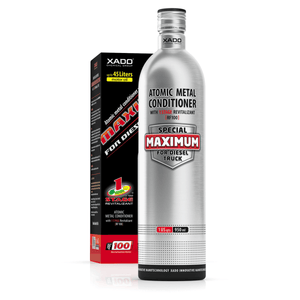
- XADO Revitalizant Engine Restorer (Small Diesel): or XADO Magnum Revitalizant Restore (Large Diesel): If your power loss is due to age and low compression, this treatment bonds a metal-ceramic layer to worn cylinder walls, rebuilding compression and sealing blow-by to bring back lost torque.
- XADO Red Flush: Ideal for engines with extended service intervals. It clears deep oil sludge and frees up sticking piston rings before your next oil change.
Restore lost power fast — shop XADO diesel treatments
Proven solutions for sluggish engines, poor acceleration, and compression recovery.
4. When to Seek Professional Help
While chemical treatments and revitalizants are highly effective for wear and buildup, some physical failures require a mechanic. You should seek professional help if you experience:
- Complete turbo actuator failure or shattered compressor wheels.
- A fully blocked DPF that will not regenerate under any driving conditions.
- Total injector failure requiring replacement and recoding.
- Timing chain stretch (highly common on high-mileage VAG 2.0 TDI and Mercedes OM651 engines).
5. Long-Term Prevention
The secret to reliable diesel performance is preventative maintenance. Keep your engine running cleanly by:
- Using premium diesel fuel every few fill-ups to benefit from built-in detergents.
- Shortening your oil change intervals rather than relying on manufacturer maximums.
- Avoiding constant low-RPM, short-journey driving (take it for a sustained run to keep the DPF clear).
- Applying a XADO Revitalizant every 10,000 to 15,000 miles to proactively protect against cylinder wear.
Restore your diesel’s power with XADO UK
Engine restorers, fuel system cleaners, turbo treatments — engineered for real results.
Shop the full range → XADO.co.uk